The future doesn't happen on its own. It's built.
Why technology alone never decides the outcome, and how today's choices in design, education, and policy quietly shape tomorrow.
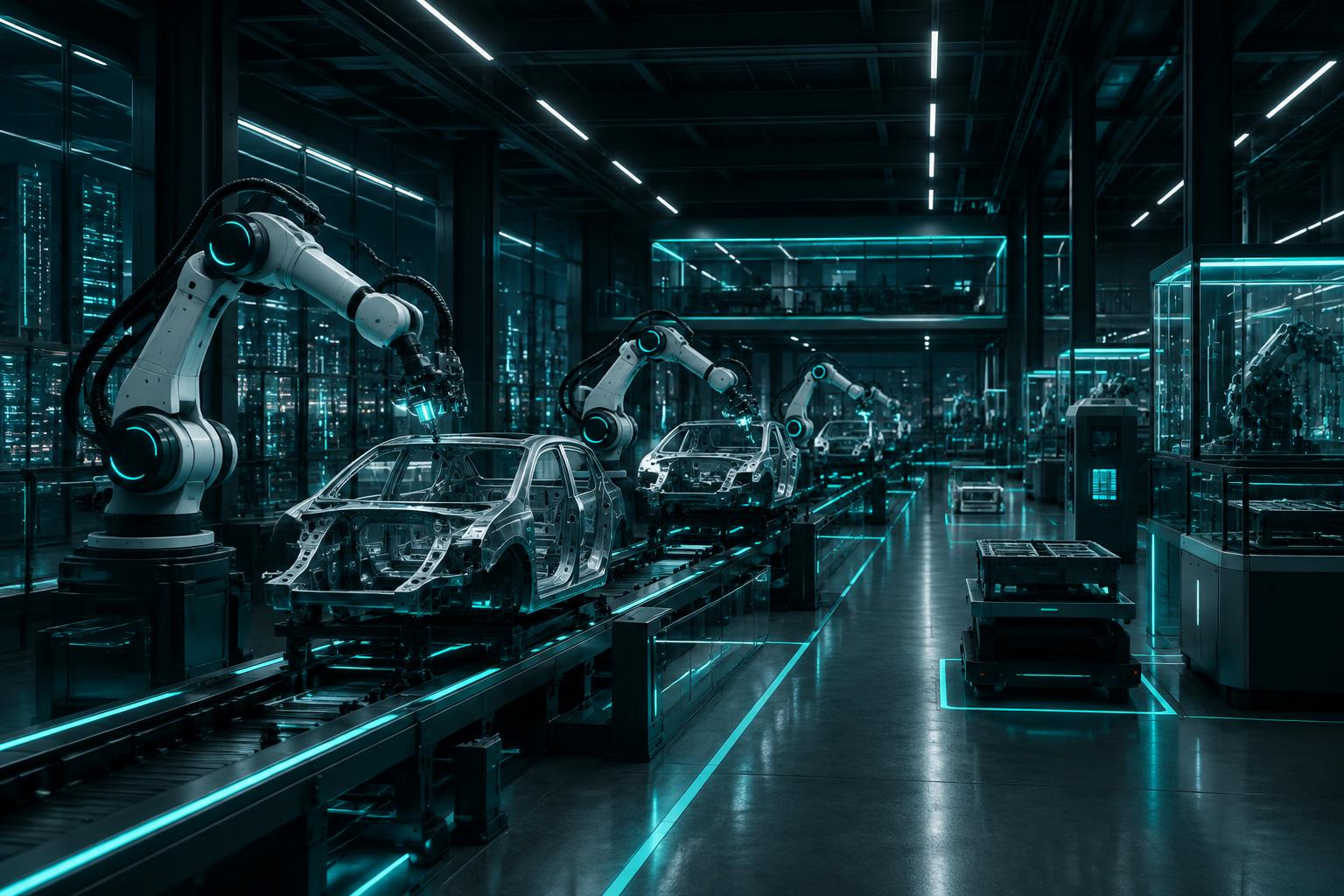
There is a version of the future that arrives without anyone choosing it: technologies deployed because they could be, habits adopted because everyone else did, consequences noticed only after they became permanent.
That version is the default. The better one, built deliberately, requires asking harder questions while the infrastructure is still easy to change.
Where the future actually comes from
It is tempting to picture technological progress as a force of nature, like a river flowing in one direction regardless of what anyone does. The history of technology says otherwise.
Every widely used system exists because someone chose to build it, someone chose to fund it, someone chose to regulate it, and many people chose to adopt it. Change the choices and you change the trajectory.
This is not idealism. It is how previous transformations, from electrification to mobile computing, actually unfolded.
How automation changes what we do
Automation rarely eliminates work in the neat way predictions assume. It typically removes some tasks, creates others, and changes what remains.
A warehouse that automates picking still needs people who maintain the system, handle exceptions, and improve the process. The skills valued shift from physical repetition to judgment, supervision, and design.
The transition, not the technology, is where most of the human impact lives. The same automation can be managed to retrain people, or simply to replace them.
The skills that keep people in control
None of these require a technical background. They require an education system and a workplace culture that treats learning as continuous rather than a phase of life.
- Critical thinking: evaluating claims about what a tool can and cannot do
- Adaptability: learning new tools quickly as workflows change
- Domain judgment: the expertise that tells you when the machine's answer is wrong
- Communication and collaboration: the work that remains stubbornly human
A simple test before adopting anything
Before adopting a tool, for yourself, for a team, or at the scale of a society, a short set of questions filters most of the noise. Tools that answer all three clearly tend to keep their promises.
Advantages and limitations of building deliberately
The limitation is real but manageable. Moving deliberately does not mean moving slowly. It means deciding on purpose.
- Advantage: outcomes aligned with real needs instead of whatever ships fastest
- Advantage: fewer harmful surprises, and public trust earned through transparency
- Limitation: deliberate processes are slower, and consensus is hard when interests conflict
What to remember
The future of AI and automation is not a destination we arrive at. It is an accumulation of decisions about products, rules, education, and habits, made by people who mostly have other things to do.
Final thoughts
Technology sets the range of possible futures. People choose among them.
The question worth carrying forward is not "what will AI become?" It is "what should it become, and what are we doing, this year, to move toward that answer?"
Back to articles